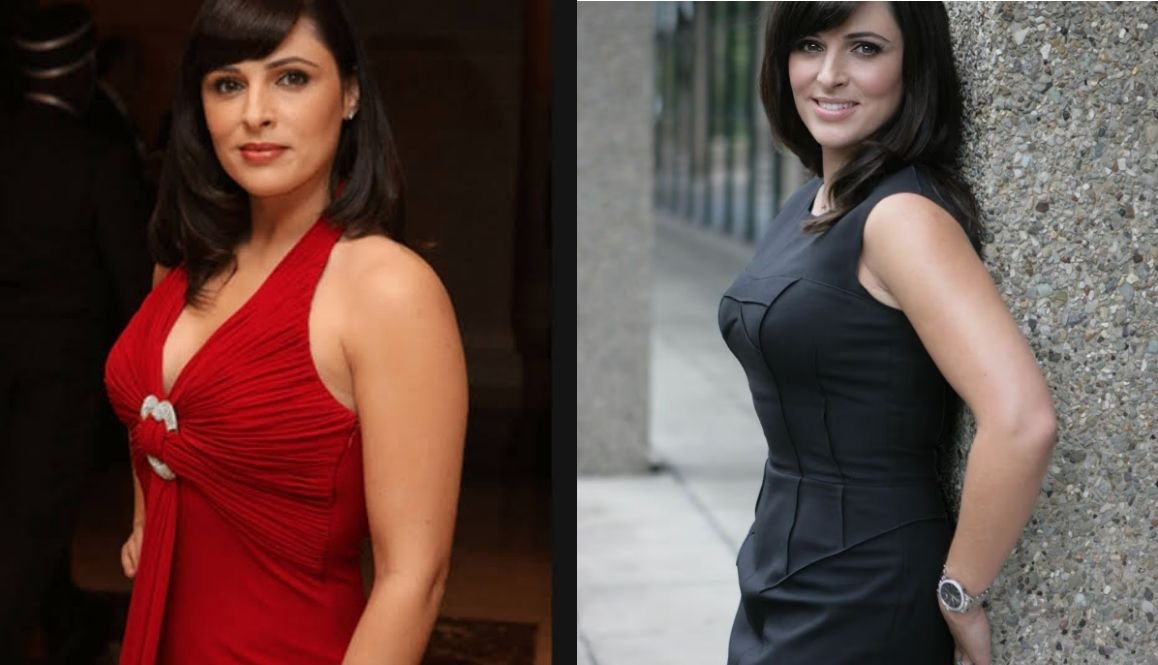
Gráinne Hayes is an Irish nurse best known as the first wife of British politician Nigel Farage. Although her former husband became one of the most recognizable figures in British politics, Hayes has remained largely outside the public spotlight. Her story attracted public curiosity because of their unusual first meeting, their marriage, and the family they built together before Farage became internationally famous.
Unlike many people associated with political celebrities, Gráinne Hayes has not developed a public career around her former marriage. Much of her personal history remains private, but several important details about her nursing background, relationship with Farage, children, and divorce are well documented. Understanding those facts provides a clearer picture of her life without relying on rumors or unsupported personal claims.
Quick Bio: Gráinne Hayes
| Detail | Information |
|---|---|
| Full Name | Gráinne Hayes |
| Commonly Known As | Gráinne Hayes |
| Nationality | Irish |
| Profession | Nurse |
| Known For | First wife of Nigel Farage |
| Former Husband | Nigel Farage |
| Husband’s Full Name | Nigel Paul Farage |
| Husband’s Profession | British politician |
| First Meeting | 1985 |
| Meeting Circumstances | During Farage’s hospital treatment following a road accident |
| Marriage Year | 1988 |
| Divorce Year | 1997 |
| Marriage Duration | Approximately nine years |
| Marital Status With Farage | Divorced |
| Number of Children | Two |
| Children’s Names | Samuel Farage and Thomas Farage |
| Family Background | Irish |
| Public Profile | Largely private |
| Current Occupation | Not publicly confirmed |
| Current Relationship Status | Not publicly confirmed |
Who Is Gráinne Hayes?
Gráinne Hayes is an Irish woman whose name became associated with British public life through her marriage to Nigel Farage. Before Farage established himself as a prominent political personality, Hayes was working in nursing, a profession that brought them together under unexpected circumstances. Their relationship began during a period when Farage was still pursuing a career outside elected politics. That makes her part of an earlier chapter of his life, before his later prominence in British and European political debates.
Although her former husband has received extensive media coverage, Hayes has never occupied a comparable position in public life. She is not known for giving political speeches, participating in campaigns, or regularly appearing in television interviews. Most published references to her concern her nursing work, marriage, and children. As a result, readers looking for an extensive account of her independent life may find considerably less information than they would about a public figure.
This difference in public visibility is important when examining her biography. Hayes should not be described only through her former husband’s political achievements, because her professional identity existed before their marriage. At the same time, the available record does not provide enough information to construct a detailed account of her personal ambitions or later career. Her biography is therefore best understood through documented events, with a clear distinction between established facts and private matters.
Gráinne Hayes’s Early Life and Irish Background
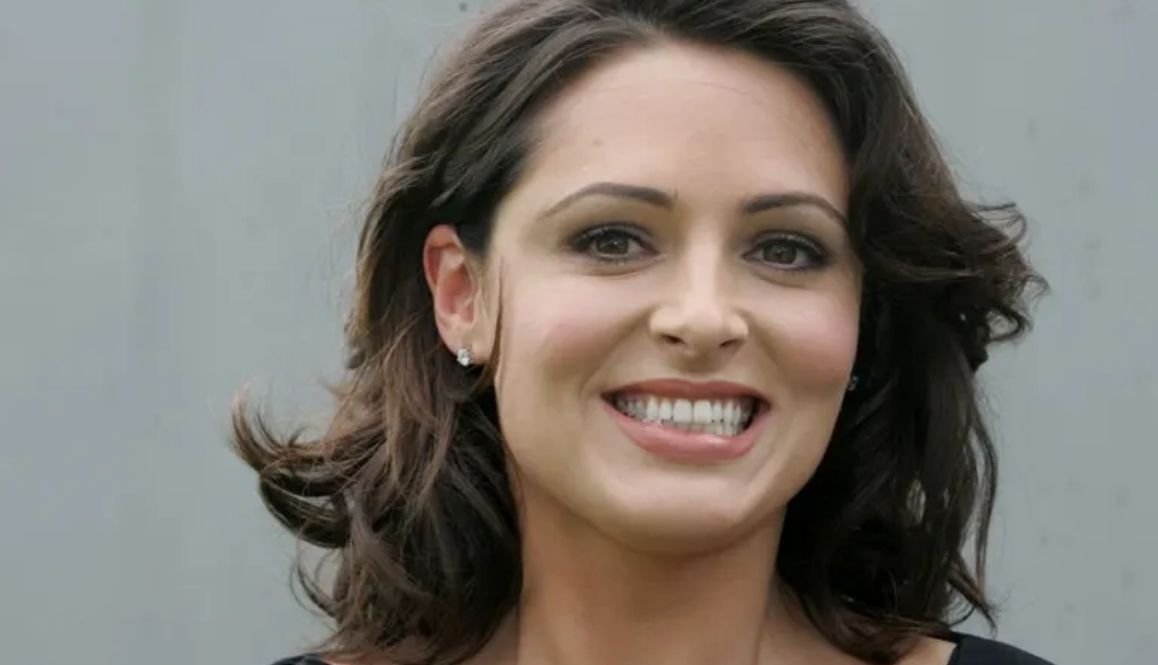
Gráinne Hayes has Irish roots, and her nationality is among the most consistently reported details about her background. Her first name is also distinctly Irish and is commonly pronounced approximately as GRAWN-yuh. Beyond these basic details, however, reliable information about her childhood is limited. Her exact date of birth, birthplace, and early family circumstances have not been firmly established in widely available authoritative accounts of her life.
There is some reported family history connecting Hayes to County Kerry in southwestern Ireland. Nigel Farage has spoken about her family’s Irish connections, including links to the village of Annascaul. However, a family connection to a particular location does not necessarily establish where Hayes herself was born or raised. It would therefore be misleading to assign her a specific hometown without dependable evidence supporting that detail.
Information about her schooling and early interests is similarly scarce. Public accounts do not provide a clear history of the institutions she attended or the qualifications she obtained before entering healthcare. What can be established is that she was working as a nurse in England during the mid-1980s. That professional role eventually led to the encounter that became the best-known event in her personal biography.
Her Nursing Career Before Meeting Nigel Farage
Before becoming connected to a public political figure, Gráinne Hayes worked in nursing. This is an important part of her story because it identifies her as a working healthcare professional rather than someone whose public identity originated entirely through marriage. Nursing requires practical training, patient assessment, communication, and attention to medical needs. Hayes was involved in patient care during the period when she first encountered Farage.
In the 1980s, hospitals across Britain employed nurses from Ireland alongside locally trained healthcare workers. Irish nurses were an established part of the British healthcare workforce, particularly in London and the surrounding regions. Hayes’s work in England fits within that broader professional context. However, her exact training route, employment history, and nursing specialization have not been described in sufficient detail to identify the full scope of her responsibilities.
Her association with Farage began in a hospital setting rather than at a political gathering or social event. That distinction makes their relationship unusual among biographies involving politicians and their spouses. Yet it is important not to confuse the circumstances of their introduction with a complete record of her professional career. There is no sufficiently detailed public chronology of how long she practiced nursing or whether she later worked in another healthcare position.
How Gráinne Hayes Met Nigel Farage in 1985
One of the most frequently discussed events in Gráinne Hayes’s life occurred in November 1985, when Nigel Farage was seriously injured after being struck by a car. Farage was a young commodities trader at the time, long before his eventual rise to national political prominence. The accident caused significant injuries, particularly to his head and leg, and required hospital treatment followed by an extended recovery period.
Hayes was one of the nurses involved in caring for Farage following the accident. Their first meeting took place in this medical environment, where Farage was a patient recovering from substantial physical injuries. The circumstances were far removed from the political conferences, election campaigns, and public appearances that later became associated with his name. Their introduction began as a professional encounter between a patient and a healthcare worker.
Over time, the connection developed into a personal relationship. Accounts of Farage’s life consistently identify Hayes as the nurse he met during recovery and later married. Nevertheless, details about their earliest conversations, first dates, and the precise development of their romance are not extensively documented from Hayes’s perspective. The established sequence is straightforward: they met after the 1985 accident, formed a relationship, and married approximately three years later.
Nigel Farage’s Recovery and the Beginning of Their Relationship
Farage’s 1985 road accident was a serious event in his early adult life. His injuries required substantial medical attention, and recovery was not immediate. He has discussed the lasting effects of the accident in accounts of his personal history. Meeting Hayes occurred during this demanding period, when his immediate concerns included treatment, mobility, and recovering from the physical damage caused by the collision.
The following year brought another significant health challenge for Farage. In 1986, he developed symptoms that led to a diagnosis of testicular cancer, for which he underwent surgery. These events formed part of the wider period in which his relationship with Hayes developed. However, the public record does not clearly establish every aspect of Hayes’s involvement in his later treatment, so her role should not be expanded beyond what is documented.
Their relationship continued after the circumstances of the original hospital encounter had passed. By 1988, they had decided to marry, indicating that their connection had developed into a lasting personal commitment during those early years. For readers interested in their marriage, this period offers useful context. It shows that their relationship began well before Farage’s career became closely associated with political controversy, television coverage, and the debate over Britain’s membership of the European Union.
Gráinne Hayes and Nigel Farage’s Marriage in 1988
Gráinne Hayes married Nigel Farage in 1988, approximately three years after they first met. Their wedding marked the beginning of a marriage that would last for around nine years. Farage was still working in the financial sector during the earlier stages of their relationship, and his political career had not yet reached the level of national recognition that would follow. Their marriage therefore belongs to a different period of his personal and professional development.
Public information about their wedding ceremony is limited. Reliable accounts do not provide a comprehensive description of the venue, guest list, celebrations, or personal arrangements surrounding the occasion. Some online profiles present elaborate wedding stories without identifying dependable supporting evidence. Rather than treating those accounts as established history, the most accurate approach is to recognize the confirmed marriage year while leaving undocumented details aside.
During their marriage, Hayes and Farage became parents to two sons. Their family life unfolded while Farage continued his professional activities and became increasingly involved in political causes. However, Hayes herself did not become a widely recognized political personality. The marriage remains noteworthy primarily because it represents an important period before Farage entered the European Parliament and became a leading campaigner for Britain’s departure from the European Union.
Family Life and Their Two Children
Gráinne Hayes and Nigel Farage have two sons together, named Samuel Farage and Thomas Farage. Their children are among the few clearly documented details about the couple’s family life. Published biographical accounts generally identify Samuel as born in 1989 and Thomas as born in 1991. Both sons were born during the marriage, several years before their parents divorced in 1997.
The family relationship also places Hayes within Farage’s wider personal history. Farage later had two daughters, Victoria and Isabelle, with his second wife, Kirsten Mehr. Consequently, Samuel and Thomas are the older half-brothers of Farage’s two daughters. These relationships are established through Farage’s family history, although the private interactions and personal relationships among family members are not extensively documented in public reporting.
Despite their father’s political fame, Samuel and Thomas have not maintained the same level of public visibility. Information about their personal careers, relationships, and everyday activities is comparatively limited. It would be inappropriate to present guesses about their private lives as established facts. For Hayes, the two sons remain a central documented connection to her former husband and an important part of the family history associated with their marriage.
Life During the Early Years of Farage’s Political Interests
The political environment surrounding Nigel Farage changed substantially during the years he was married to Gráinne Hayes. In the early period of their relationship, he was primarily known professionally as a commodities trader. By the 1990s, he was increasingly engaged in opposition to deeper European political integration. His involvement in Eurosceptic politics eventually became a defining feature of his public career.
Farage became associated with the UK Independence Party, commonly called UKIP, after its establishment in 1993. The party advocated British withdrawal from the European Union and developed into an influential force in British political debate. Hayes and Farage were still married when UKIP emerged, but that fact does not establish that she participated in party activities. There is no reliable public evidence that she held a formal position within the organization.
The distinction matters because accounts of political families sometimes treat a spouse’s presence as proof of direct political involvement. In Hayes’s case, such an assumption would be unsupported. Their marriage overlapped with the early development of Farage’s political interests, but his election to the European Parliament did not occur until 1999, after their divorce. Her biography should therefore not describe her as a parliamentary spouse or political assistant during their marriage.
Why Did Gráinne Hayes and Nigel Farage Divorce?
Gráinne Hayes and Nigel Farage divorced in 1997, ending a marriage that had lasted approximately nine years. The separation occurred before Farage became a member of the European Parliament and before his later prominence as a leading Eurosceptic figure. Although the date of the divorce is well documented, the complete circumstances behind the end of their relationship have not been publicly explained by both former spouses.
Farage later referred to his first marriage in personal accounts of his life. In reporting based on his memoir, he characterized the separation as relatively amicable and suggested that both he and Hayes had developed relationships with other people. That description represents Farage’s retrospective account rather than a jointly confirmed explanation. Hayes has not provided an equally prominent public account of the divorce, so her own perspective remains largely unknown.
For that reason, claims that political ambition, financial disagreements, or career pressures caused the marriage to end should be treated cautiously. Such factors may arise in discussions of public figures, but speculation is not a substitute for evidence. What can be established is that the couple married in 1988, raised two sons during their relationship, and divorced in 1997. The more personal details surrounding that decision belong to a part of their lives that has not been comprehensively documented.
Gráinne Hayes’s Life After Divorce
After her divorce from Nigel Farage, Gráinne Hayes largely disappeared from mainstream biographical coverage. This does not establish that she stopped working, changed her lifestyle, or intentionally withdrew from society. It simply means that her later activities have not been reported in sufficient detail by dependable public sources. Most articles mentioning her have continued to focus on her earlier connection to Farage.
Her former husband’s public career followed a very different course. Farage was elected to the European Parliament in 1999 and subsequently became a widely known figure through his leadership roles, political campaigns, and media appearances. His involvement in the Brexit debate brought him further international attention. Hayes, meanwhile, did not establish a comparable public profile, and her post-divorce professional history remains largely undocumented.
Questions about whether Hayes remarried, continued nursing, or moved to a particular location have appeared in online biographies. However, reliable information establishing her current relationship status, employment, and residence is limited. Presenting uncertain details as facts would create an inaccurate impression of her life. Her former marriage is publicly documented, but many events occurring after 1997 remain outside the accessible biographical record.
Gráinne Hayes and Nigel Farage’s Second Marriage
Following his divorce from Gráinne Hayes, Nigel Farage married Kirsten Mehr, a German national, in 1999. Their marriage began two years after Hayes and Farage separated legally. Farage and Mehr went on to have two daughters, expanding his family to four children in total. This later marriage received considerably more media coverage because it overlapped with the period when Farage became an established political personality.
Kirsten Mehr’s involvement in Farage’s professional life also became a subject of public discussion. She worked as his parliamentary secretary, an arrangement that attracted attention during his time in European politics. This role should not be confused with Hayes’s earlier relationship with Farage. There is no reliable basis for claiming that Hayes performed the same parliamentary duties during their marriage, especially because Farage did not become an MEP until after their divorce.
Farage’s later relationships and personal circumstances have continued to appear in British media coverage. However, they are separate from Hayes’s own biography and should not be used to construct assumptions about her feelings or family relationships. Her established connection to Farage remains his first marriage and their shared parenthood of Samuel and Thomas. Beyond those facts, the details of any continuing personal contact have not been comprehensively disclosed.
Why Gráinne Hayes Has Remained Outside the Public Spotlight
Public curiosity about Gráinne Hayes has been influenced by the extraordinary visibility of her former husband. Nigel Farage’s political career generated years of newspaper coverage, television interviews, public debate, and international commentary. As journalists revisited his background, the story of his first marriage naturally attracted attention. Hayes became a subject of biographical interest even without developing a public career of her own.
However, the scarcity of information about Hayes should not automatically be interpreted as evidence of a deliberate strategy to avoid publicity. Although she has not maintained a prominent media presence, there is little dependable material explaining her personal attitude toward public attention. She may simply have continued living a life unrelated to the political and media activities that made Farage famous. Without direct statements from her, stronger conclusions about her motivations would be speculative.
Her situation illustrates a broader distinction between public recognition and personal identity. Being married to a prominent figure can make someone’s name recognizable without turning that individual into a public personality. Hayes’s documented history includes nursing, marriage, motherhood, and divorce, but the full character of her private life cannot be determined from those events alone. A respectful biography acknowledges the limits of the available information rather than treating privacy as a mystery requiring an invented explanation.
Is Gráinne Hayes Still Working as a Nurse?
The most reliable professional detail about Gráinne Hayes is that she was working as a nurse when she met Nigel Farage in 1985. That information is supported by accounts describing Farage’s recovery from his road accident. It establishes her involvement in healthcare at an identifiable point in her life. However, it does not provide a complete employment record or confirm whether she remained in the profession for the following decades.
Some online accounts refer to Hayes as a former nurse, while others describe her as a nurse without explaining when she last practiced. Neither description establishes her current employment circumstances. Nursing professionals may move between clinical roles, education, management, community services, or entirely different fields. There is no dependable public evidence identifying which, if any, of those paths Hayes followed after her earlier documented work.
Another source of confusion is that Gráinne Hayes is also the name of an Irish academic associated with research into physical activity and exercise science at the University of Limerick. That academic is a different individual from Nigel Farage’s former wife. Their professional histories should not be combined simply because they share the same name. Accurate biographical writing requires distinguishing people with identical names before attributing degrees, research publications, institutional appointments, or achievements to them.
What Is Known About Gráinne Hayes Today?
As of 2026, the most dependable public information about Gráinne Hayes continues to concern her earlier life. Her Irish background, nursing work in the 1980s, marriage to Nigel Farage, two sons, and 1997 divorce form the central timeline. These details are sufficient to explain why her name appears in discussions of Farage’s family history. They do not, however, establish what her everyday life currently looks like.
Her precise current residence, occupation, financial situation, and relationship status have not been reliably confirmed through widely available authoritative reporting. Online claims about her age, net worth, and present living arrangements frequently lack clear documentation. Some also appear to repeat material from other websites without independent verification. Readers should therefore approach unusually detailed profiles with caution, particularly when they describe recent personal developments without identifying how the information became public.
What makes Hayes’s biography interesting is not a series of dramatic public events but the contrast between her documented early relationship and the later fame of her former husband. She met Farage before the political career that would make him internationally recognizable, and their marriage ended before that career reached its most prominent stages. The publicly known facts provide a meaningful historical outline while leaving much of her independent life appropriately undescribed.
Why People Continue Searching for Gráinne Hayes
Interest in Gráinne Hayes frequently begins with questions about Nigel Farage’s first marriage. People familiar with his public career may not know that he married an Irish nurse in 1988, years before entering the European Parliament. The circumstances of their introduction after a serious accident make the relationship particularly memorable. As a result, searches for her name often center on how they met, how long they were married, and whether they had children.
Her Irish background also attracts attention because Farage became strongly associated with debates over British and European identity. His former wife’s nationality provides an interesting detail in his personal history, although it should not be treated as proof of any particular political views held by Hayes. Nationality, family relationships, and personal political beliefs are separate matters. There is no adequate public evidence establishing Hayes’s positions on Brexit or other major political issues.
Ultimately, her continued appearance in online searches reflects the public’s interest in the personal histories of influential figures. People often want to understand who was present before a politician became famous and how earlier relationships fit into a larger biography. Hayes is connected to that early history, but she also had her own professional life. Recognizing both aspects creates a more balanced account than reducing her identity to a former marriage alone.
Final Thoughts
Gráinne Hayes is best known for her marriage to Nigel Farage, but the established facts about her life begin with her career in nursing. She met Farage during his recovery from a serious road accident in 1985, married him in 1988, and became the mother of their two sons. Their marriage ended in 1997, before Farage reached the height of his political prominence. Those events provide the clearest and most dependable outline of her public biography.
Her story also demonstrates how little may be publicly known about someone connected to a famous individual. Although her former husband has spent decades in the political spotlight, Hayes’s later life has not been extensively documented. Details about her current career, relationships, and personal circumstances remain uncertain. Rather than presenting unverified claims, a responsible account should preserve the distinction between her documented history and matters that have remained private.
For readers wondering who Gráinne Hayes is, the answer is both simple and more meaningful than a celebrity relationship label. She is an Irish woman who worked in healthcare, shared an important period of her life with a future political leader, and raised two sons with him. Her place in Farage’s early biography is well established, while the remainder of her personal journey belongs to a life that has not been extensively shared with the public.
Frequently Asked Questions (FAQs)
1. Who is Gráinne Hayes?
Gráinne Hayes is an Irish nurse best known as the first wife of British politician Nigel Farage. They married in 1988, had two sons, and divorced in 1997.
2. How did Gráinne Hayes meet Nigel Farage?
She met Nigel Farage in 1985 while working as a nurse after he was injured in a serious road accident. Their relationship developed after his hospital treatment.
3. When did Gráinne Hayes marry Nigel Farage?
Gráinne Hayes married Nigel Farage in 1988. Their marriage lasted approximately nine years before ending in divorce in 1997.
4. How many children does Gráinne Hayes have?
Gráinne Hayes has two sons with Nigel Farage, named Samuel Farage and Thomas Farage. They are Farage’s two eldest children.
5. Why did Gráinne Hayes and Nigel Farage divorce?
The couple divorced in 1997. Farage later described the separation as relatively amicable, but Hayes’s own detailed account of the circumstances is not publicly documented.
6. What does Gráinne Hayes do now?
Her current occupation has not been reliably established through public reporting. She worked as a nurse in the 1980s, but her later professional history is not well documented.
7. Is Gráinne Hayes married today?
Gráinne Hayes’s current marital status has not been publicly confirmed by dependable sources. Her marriage to Nigel Farage ended in 1997, and information about any subsequent marriage remains uncertain.
Read Next:Natalie Michelle Cummings: Exploring Her Background, Family, and Personal Life

One thought on “Meet Gráinne Hayes: A Closer Look at Her Life and Marriage”